 LOGO
LOGO
LOGO
LOGO
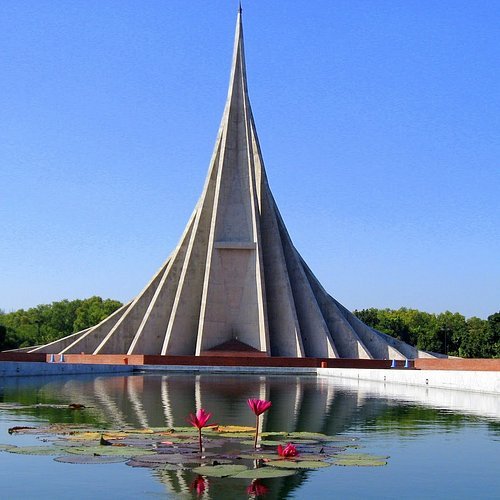


The National Martyrs’ Memorial (Jatiyo Smriti Soudho) is one of the most iconic monuments of Bangladesh, built to honor the millions of people who sacrificed their lives in the Liberation War of 1971. Located in Savar, about 35 kilometers northwest of Dhaka, the memorial is a towering symbol of the nation’s struggle for freedom and independence.
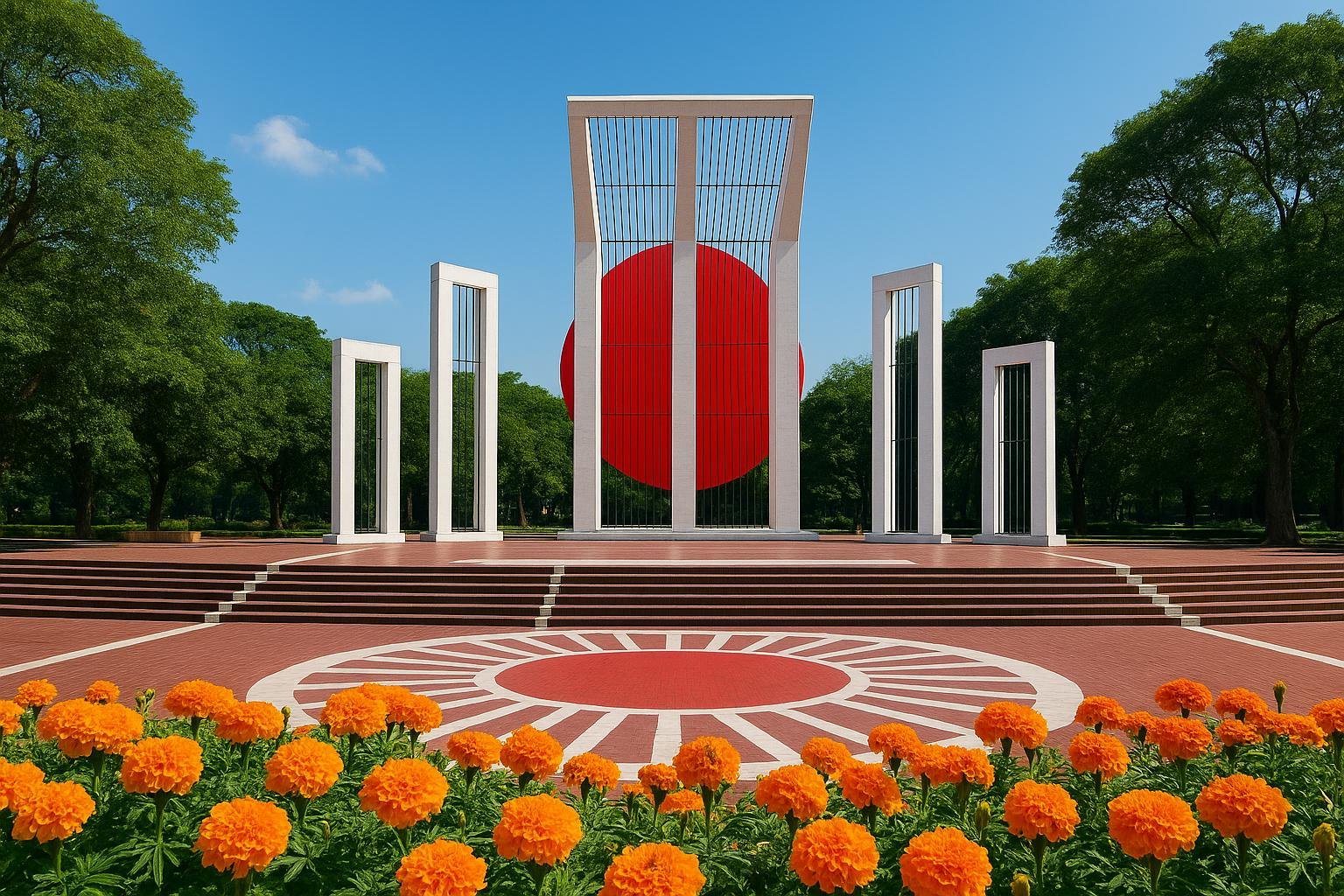
The Language Movement of 1952 is a historic and unforgettable chapter in Bangladesh’s history. Many young men sacrificed their lives to protect the dignity of the Bengali language. Background: In 1948, the Government of Pakistan declared Urdu as the only state language, which was rejected by the Bengali-speaking majority. February 21, 1952: Students and people of Dhaka protested, demanding Bangla to be recognized as a state language. Martyrs: Police opened fire, killing Rafiq, Salam, Barkat, Jabbar, and several others. Result: Following the sacrifice of the martyrs, Bangla was recognized as one of the state languages of Pakistan in 1956. Importance: This movement later became the foundation of Bangladesh’s struggle for independence. Language Martyrs of Bangladesh, 1952 February 21 is now observed worldwide as International Mother Language Day.
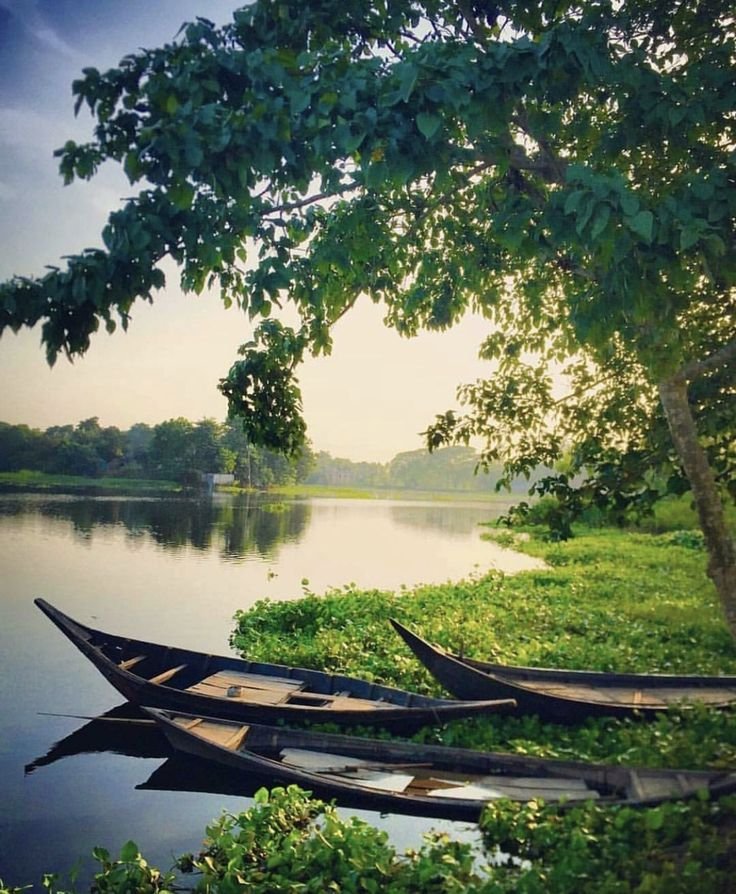
the villages of Bangladesh is full of green fields, rivers, trees, and simple houses. Village life in Gram Bangla is peaceful and close to nature.
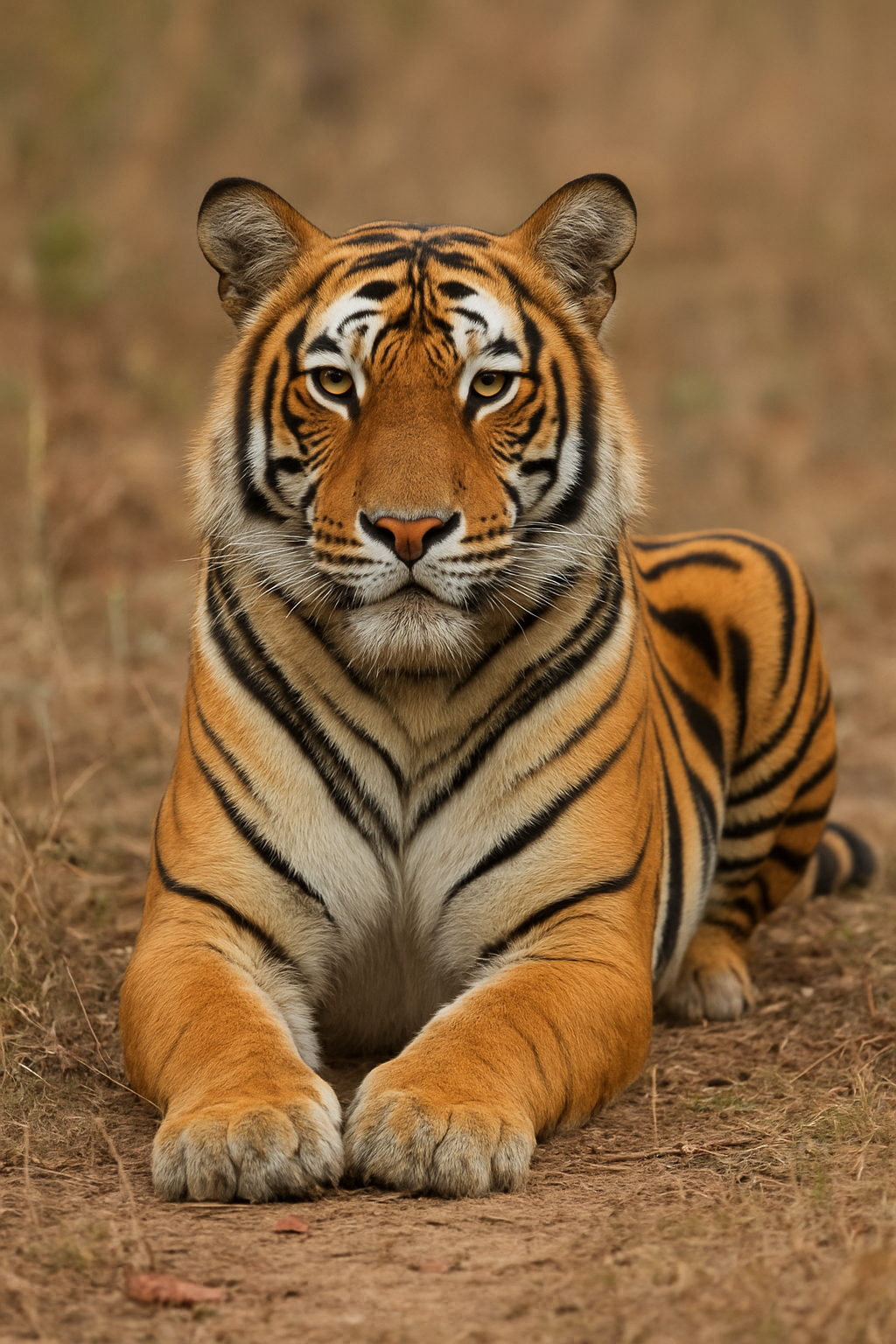
The Royal Bengal Tiger, found in the Sundarbans, is the national animal and symbolizes the strength, pride, and courage of Bangladesh.
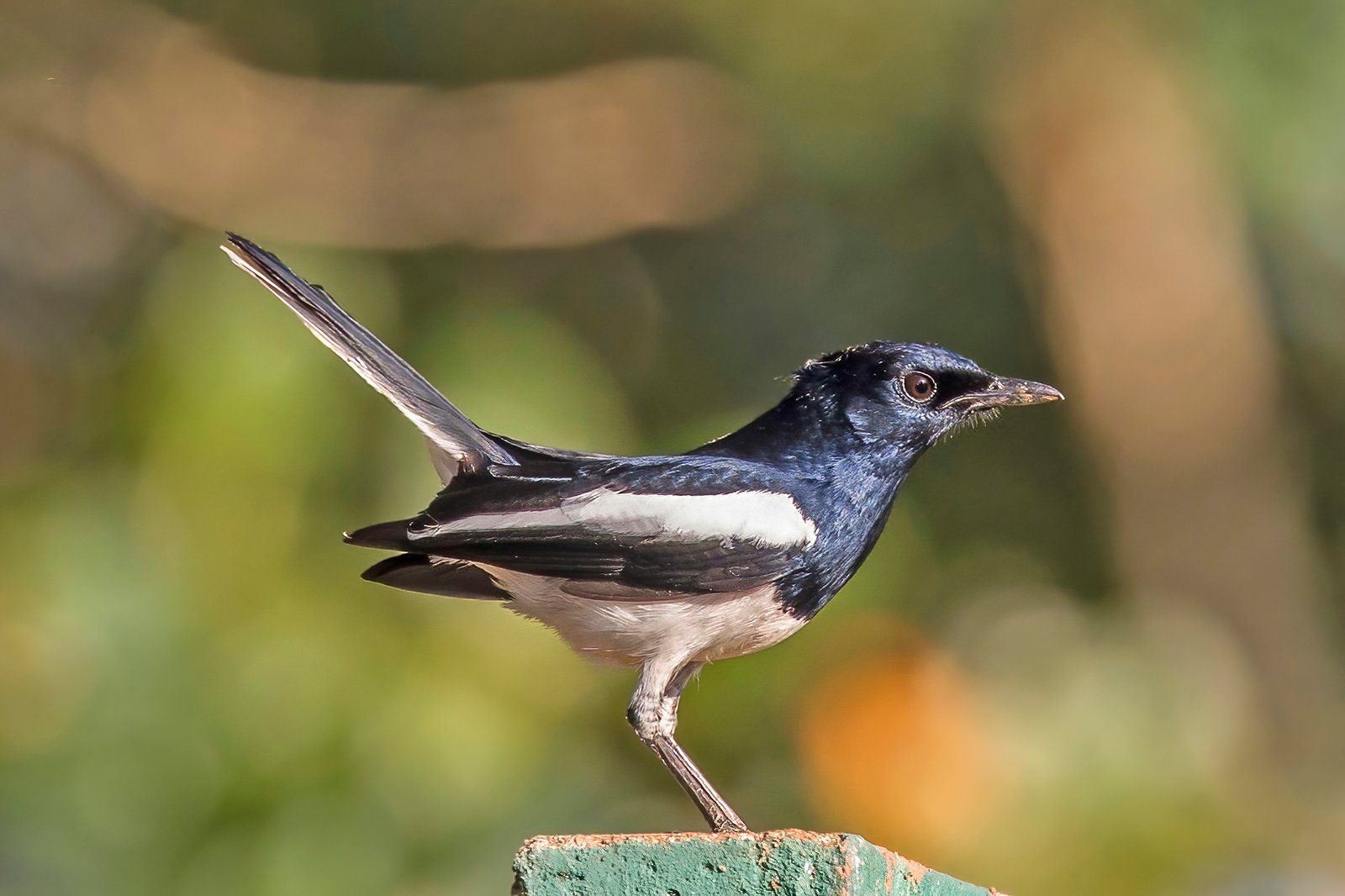
The Oriental Magpie Robin (Doel) is the national bird of Bangladesh, known for its sweet melody and cherished in poetry, folklore, and songs.
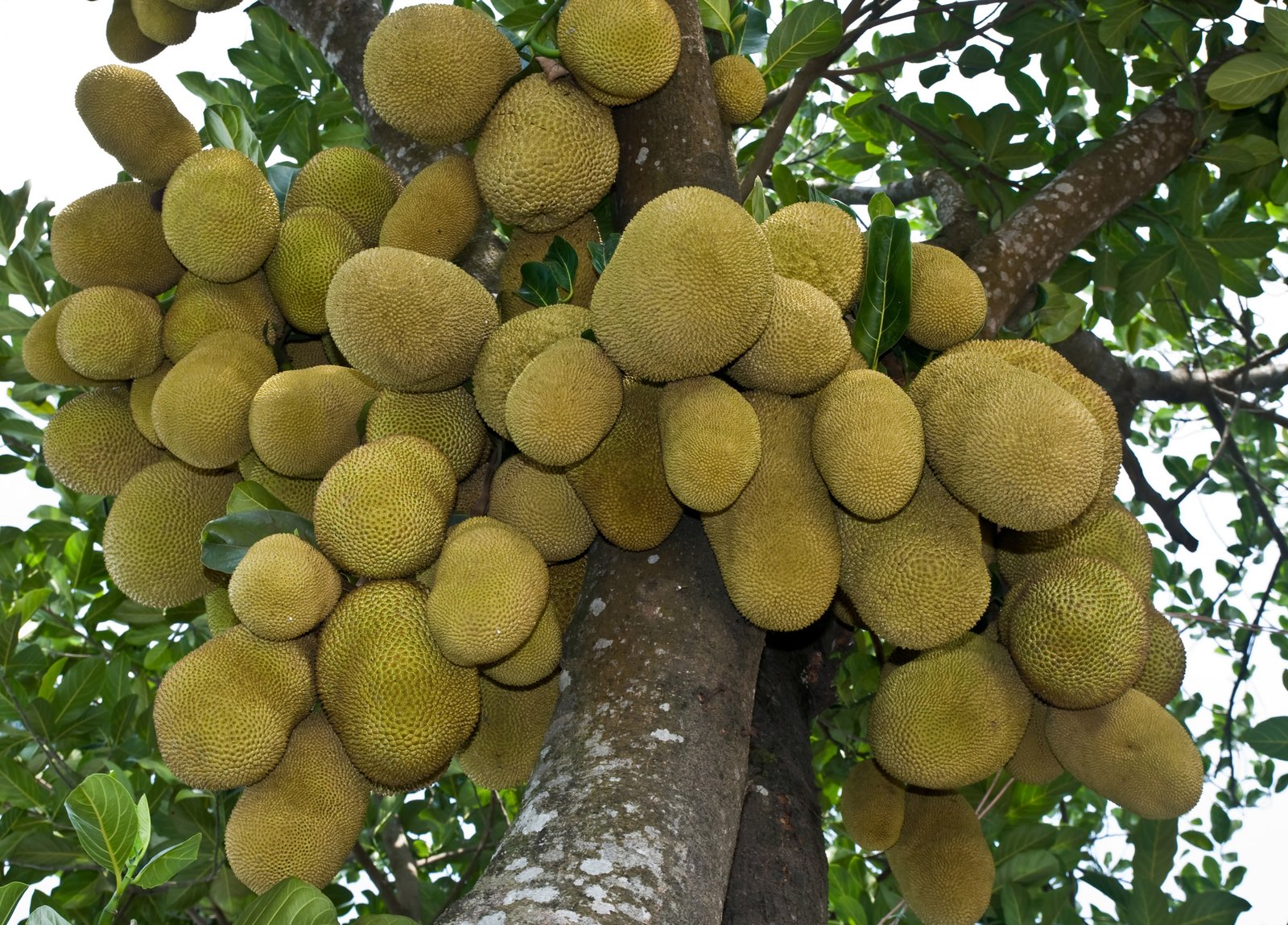
The Jackfruit (Kathal) is the national fruit, loved for its sweetness and nutrition, and a favorite treat for families across the country.
The Shapla (Water Lily) is the national flower of Bangladesh, symbolizing purity and natural beauty, often seen in wetlands and ponds.
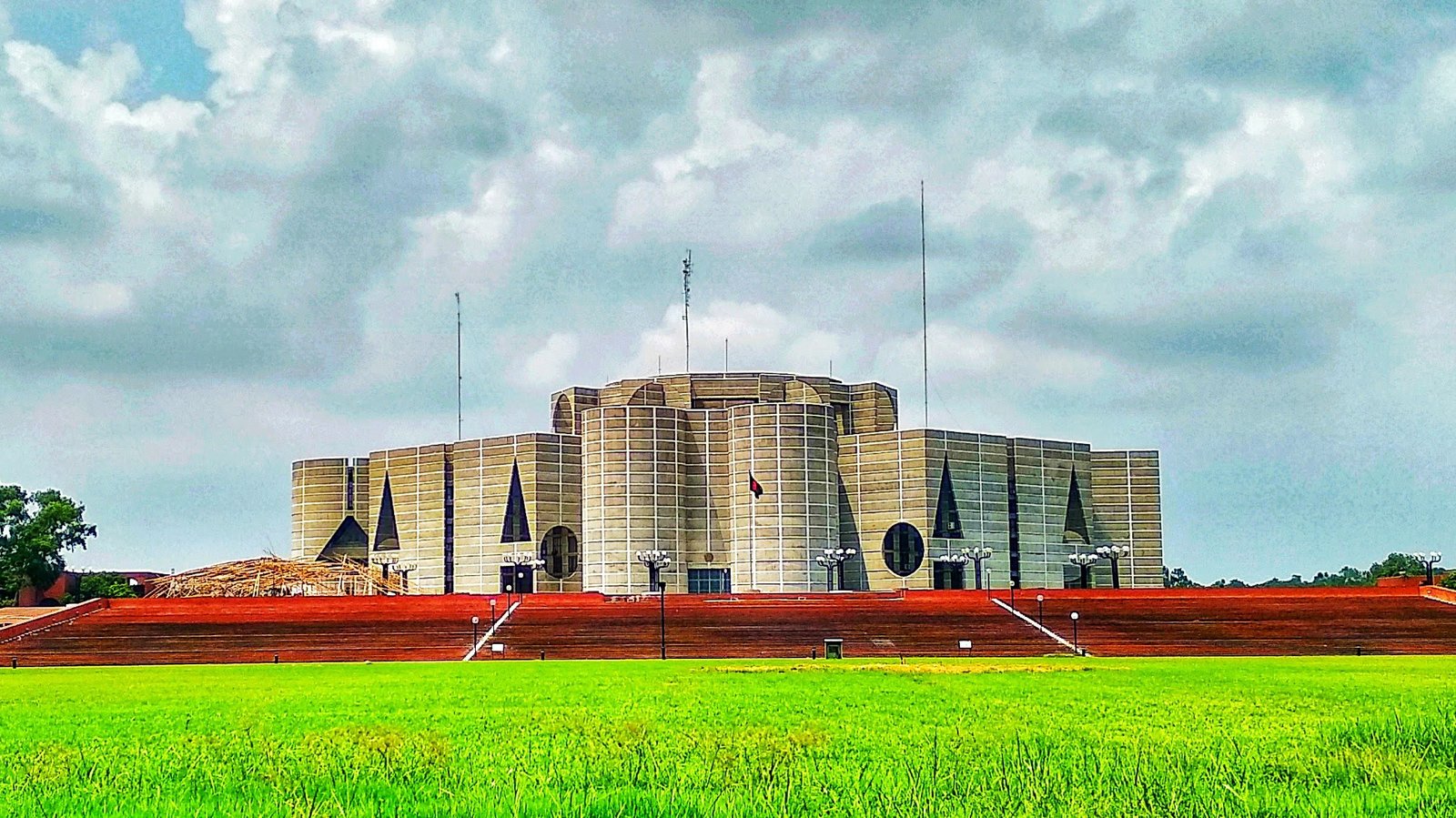
The Bangladesh Parliamentary Building, designed by Louis I. Kahn, is an architectural wonder and the central hub of democracy, surrounded by serene water bodies and admired worldwide.
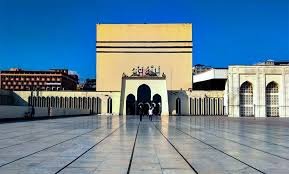
The Baitul Mukarram National Mosque is the largest mosque in Bangladesh and serves as the national mosque of the country. Located in the heart of Dhaka, it was built in 1968 and has since become a central place of worship as well as a landmark of Islamic architecture in Bangladesh.
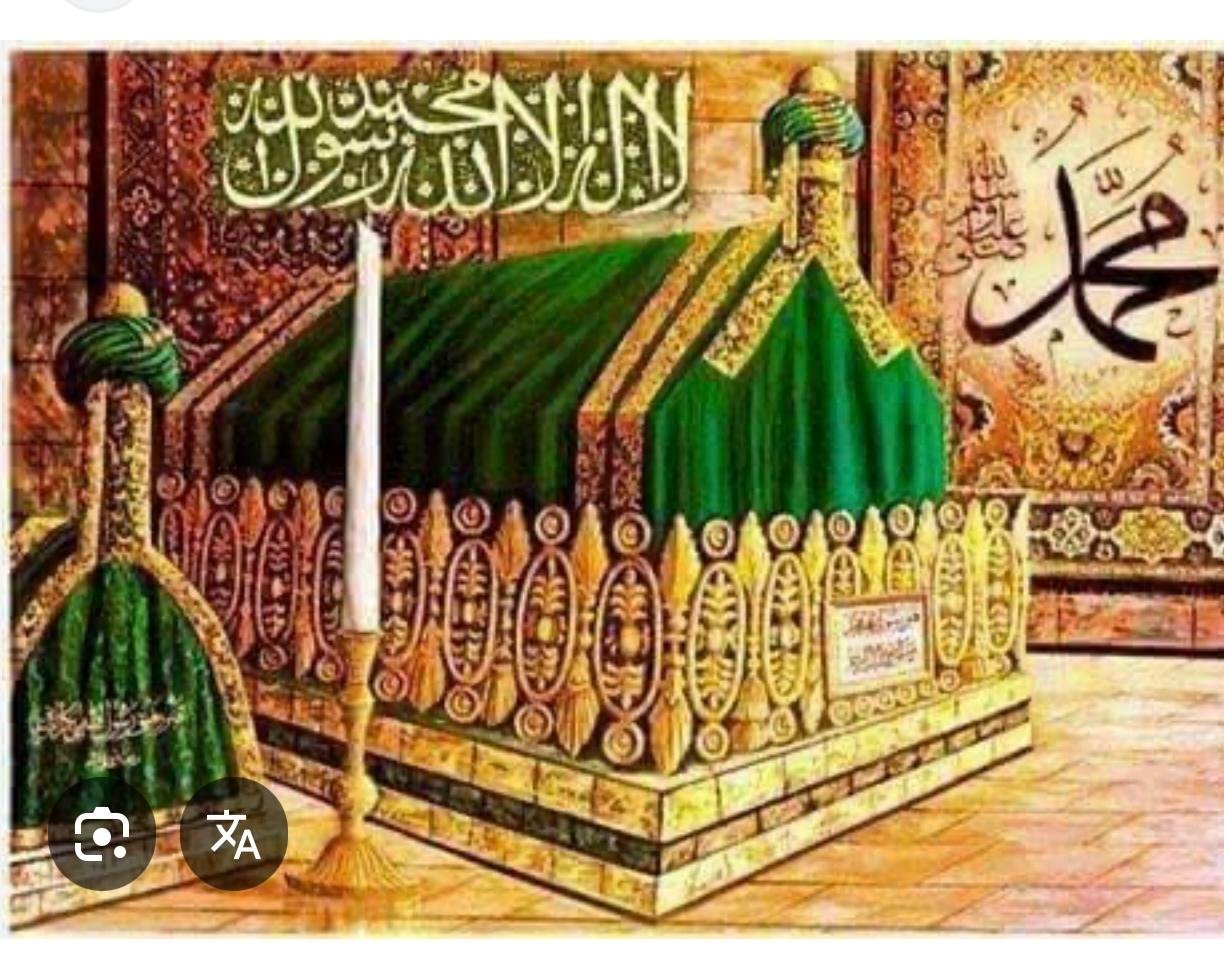
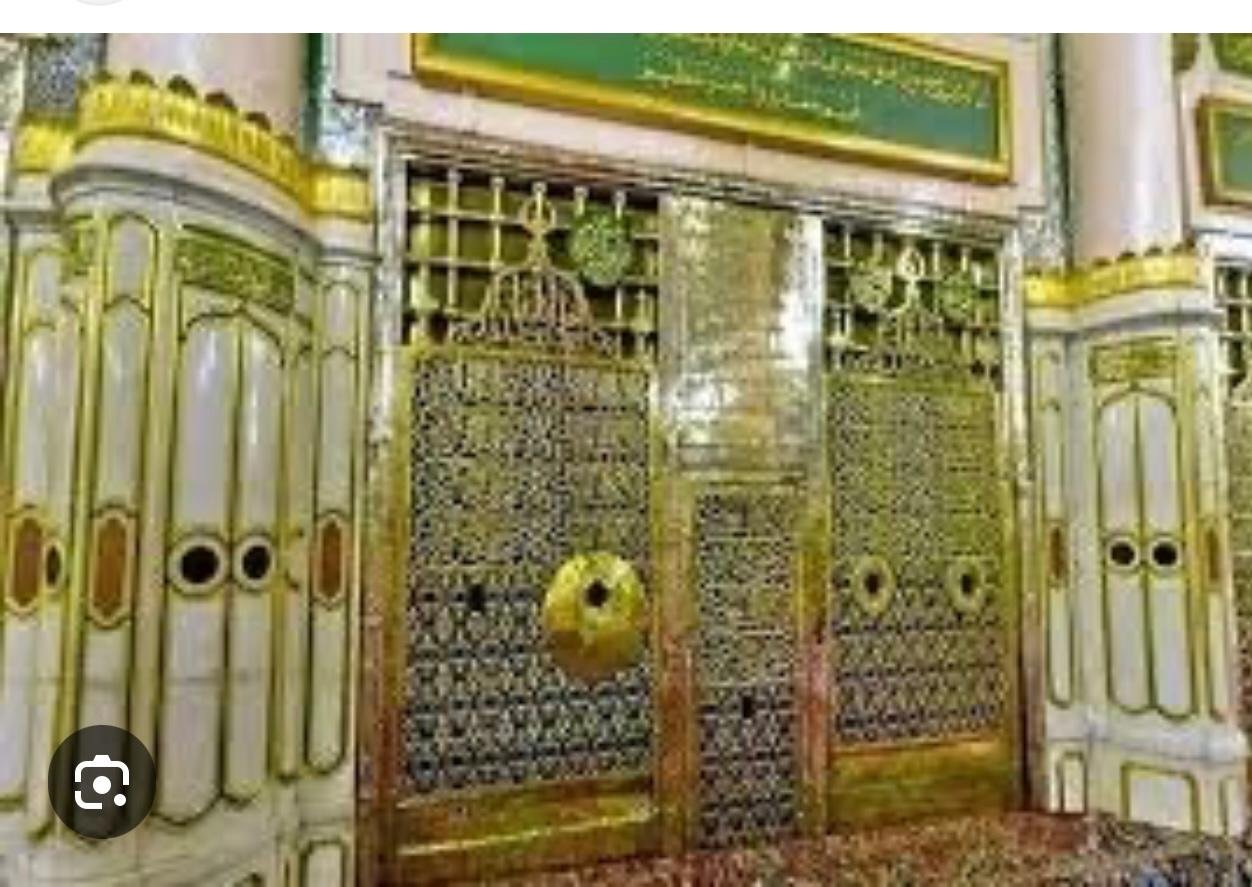
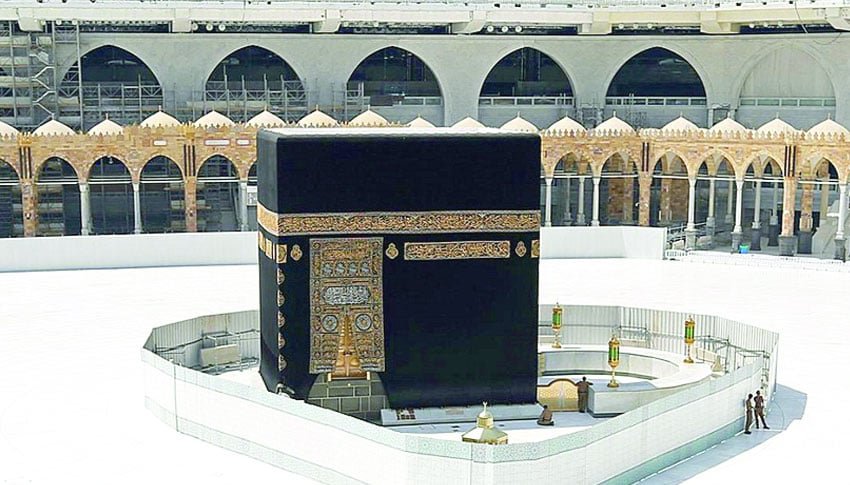
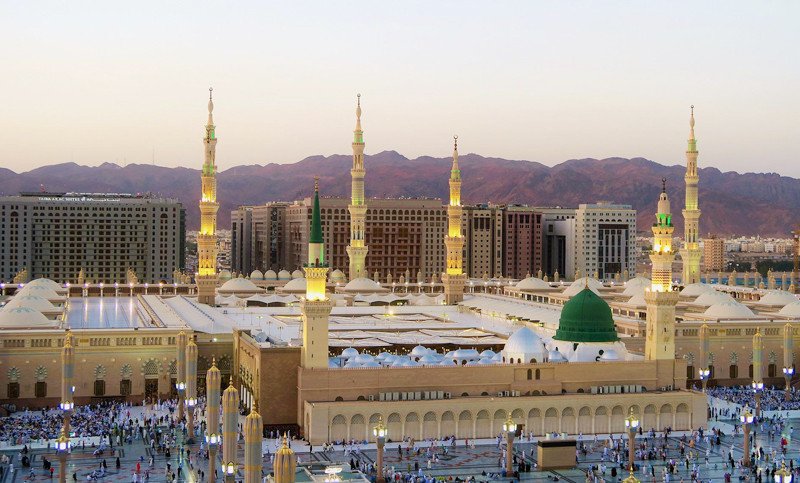
The Sacred Tomb of Prophet Muhammad (peace be upon him) located in Masjid al-Nabawi, Madinah, Saudi Arabia. It is one of the holiest places in Islam, where Muslims offer prayers and send blessings upon the Prophet. Millions of pilgrims visit sRouza every year, especially during Hajj and Umrah, to show their love and respect.
Jannatul Rouza is the holy place in Madinah where Prophet Muhammad (PBUH) rests. It is inside the Prophet’s Mosque and is very sacred for Muslims.
Hilsa fish is the national fish of Bangladesh and a symbol of Bengali culture, tradition, and cuisine. It is mainly found in the Bay of Bengal and in the rivers Padma, Meghna, and Jamuna, as well as in coastal areas. The scientific name of Hilsa is Tenualosa ilisha, and it belongs to the Clupeidae family. It is an anadromous fish, meaning it lives in the sea but migrates to freshwater rivers to breed. Historically, Hilsa has been considered a royal delicacy in Bengal. During the Mughal period, it was often served at feasts of nobles and kings. Although Hilsa is found in Bangladesh, India, and Myanmar, around 75% of the world’s Hilsa catch comes from Bangladesh, making it a matter of national pride.
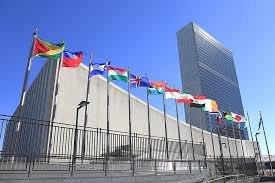
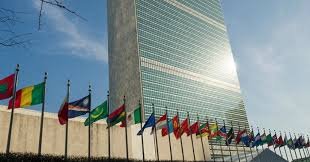
The United Nations Headquarters is the central meeting place and administrative center for the United Nations (UN). Located in New York City, it serves as the main hub for international diplomacy, peacekeeping coordination, and global policy discussions.
Location
The UN Headquarters is situated in the Turtle Bay neighborhood of Manhattan, along the East River. Its official address is 760 United Nations Plaza, New York, NY 10017, USA.
History
The idea of establishing a permanent headquarters for the United Nations was finalized after World War II. In 1946, the United Nations decided to build its headquarters in New York City. The land for the headquarters was purchased with a donation from John D. Rockefeller Jr. Construction began in 1947, and the complex was completed in 1952.
Architecture
The UN Headquarters was designed by an international team of architects led by Wallace Harrison. The complex includes several key buildings:
- The Secretariat Building (39 stories tall, completed in 1951)
- The General Assembly Hall
- The Conference Building
- The Dag Hammarskjöld Library
The design represents modernist architecture and reflects international cooperation.
Functions
The UN Headquarters hosts meetings of the six principal organs of the United Nations, including the General Assembly, the Security Council, the Economic and Social Council, and others. It is the venue where world leaders gather to discuss and address global issues such as peace, security, human rights, and sustainable development.
Flags and Symbols
In front of the UN Headquarters, the flags of all 193 member states are displayed. The UN emblem, featuring a world map surrounded by olive branches, symbolizes peace and unity among nations.
Visitors
The UN Headquarters is open to visitors and offers guided tours. These tours provide insight into the UN’s history, functions, and its role in maintaining international peace.
Conclusion
The United Nations Headquarters in New York is more than just an administrative center; it is a symbol of global cooperation and diplomacy. From its iconic architecture to its role in shaping international relations, the UN Headquarters remains a vital institution in promoting peace and development worldwide.
United Nations Peacekeeping is a unique and dynamic instrument developed by the UN as a way to help countries torn by conflict create conditions for lasting peace. It involves military, police, and civilian personnel who work together to maintain peace and security.
Objectives
- To enforce ceasefires
- To protect civilians
- To promote human rights
- To support democratic processes and elections
- To assist in post-conflict reconstruction and development
History
The first UN peacekeeping mission was established in 1948. Since then, peacekeepers have been deployed in conflict zones around the world, including Africa, Asia, and the Middle East.
Bangladesh’s Role
Bangladesh is one of the leading troop and police-contributing countries to UN Peacekeeping Missions. Bangladeshi peacekeepers are highly respected for their professionalism and dedication, particularly in Africa.
Symbols
UN Peacekeepers are often called 'Blue Helmets' because of their distinctive light blue helmets and berets, which symbolize the United Nations.
Significance
Peacekeeping missions have played a critical role in maintaining peace, delivering humanitarian aid, and assisting in rebuilding societies after conflict.
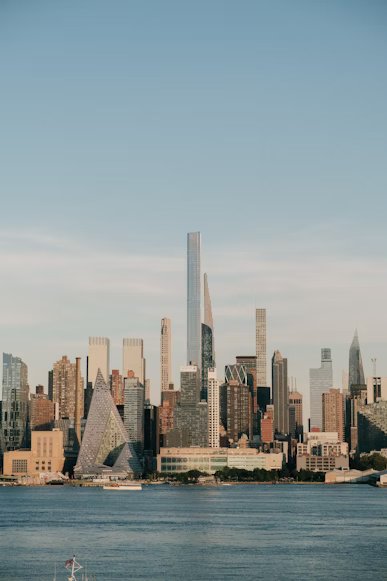
The story of the United States is a vibrant tapestry of courage, innovation, and resilience. American history is filled with pivotal moments—from the Revolutionary War to the Civil Rights Movement—that shaped the nation into what it is today. Understanding this journey gives insight into the values, struggles, and triumphs that define the country.
The American President is more than a political figure; they represent the ideals of democracy, freedom, and governance. From George Washington to the current leader, each president has left a unique mark on the nation. Their decisions influence not only domestic policy but also the country's role on the global stage. Learning about their lives, leadership styles, and achievements enriches our understanding of national identity.
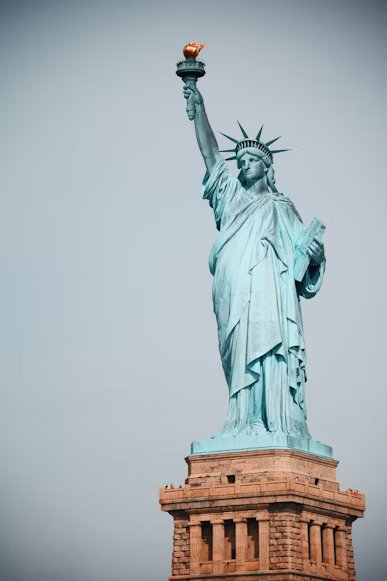
The Statue of Liberty , officially called Liberty Enlightening the World, is a giant copper statue standing on Liberty Island in New York Harbor. A gift from France to the United States in 1886, it was designed by the French sculptor Frédéric Auguste Bartholdi and built with the help of Gustave Eiffel. The statue, which holds a torch in one hand and a tablet inscribed with the date of American Independence (July 4, 1776) in the other, has become one of the most enduring symbols of freedom, democracy, and hope. Standing over 300 feet tall with its pedestal, the green figure (caused by natural oxidation of copper) greeted millions of immigrants who arrived by sea, making it an icon of the American dream.